Who created Ali Baba and the Forty Thieves?
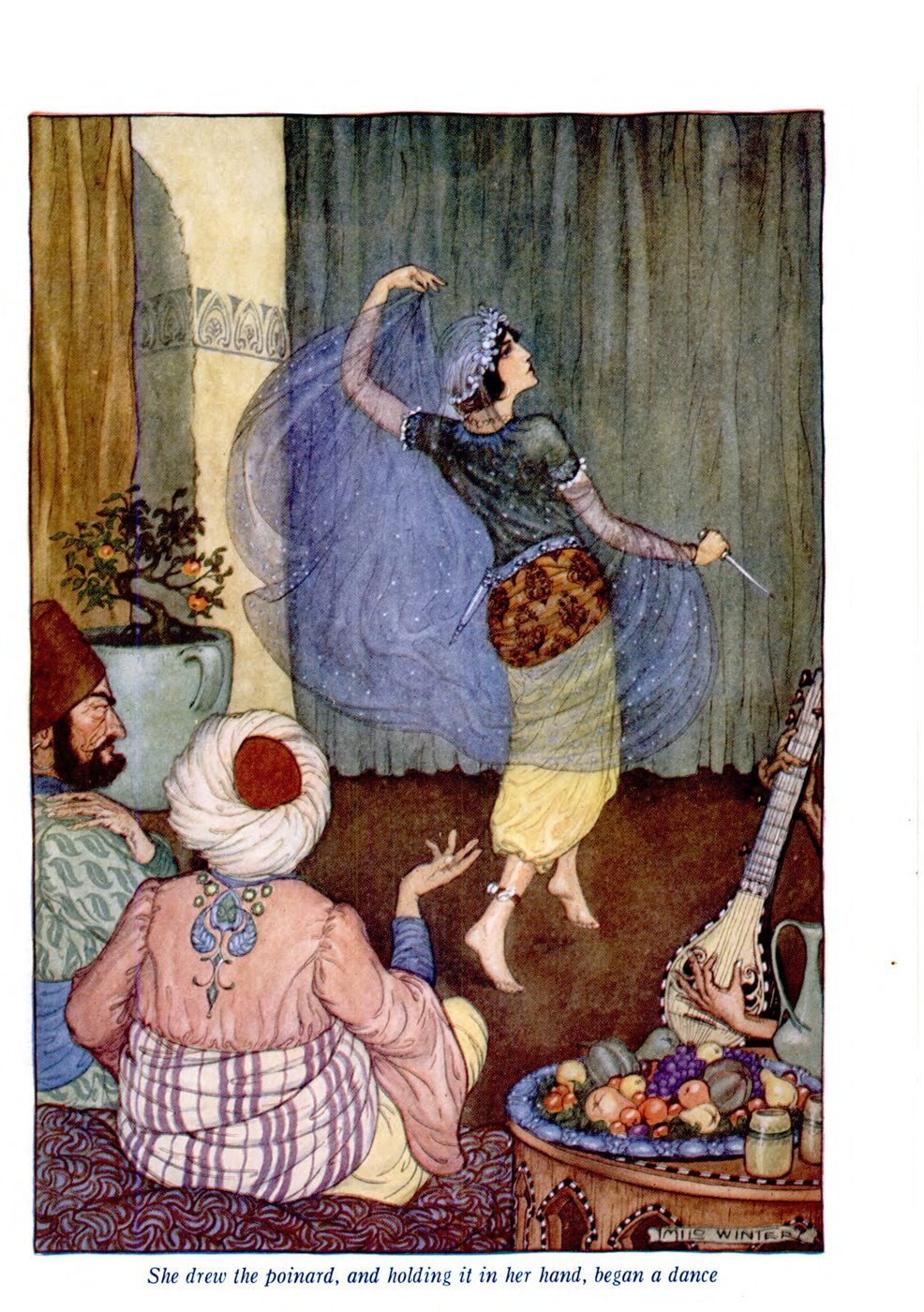
Like “Aladdin,” “Ali Baba and the Forty Thieves” first appears in Antoine Galland’s French Arabian Nights, from a story Hanna Diyab told him in 1709. Diyab’s version is the first recorded to bring together the magic cave, the clever slave girl Marjana and the forty thieves. Paulo Lemos Horta argued in Marvellous Thieves (2017) that Diyab replaced the jinn or ogres of the Syrian folktale with bandits, drawing on his travels with the treasure hunter Paul Lucas.
“Diyab’s most striking improvisation in this story is his decision to replace the jinn and ogres who reside in the cave with a band of thieves.”
Marvellous Thieves (2017), p. 81
“In investigating Diyab’s influence, for example, Horta notes, “the context of amorality and violence that characterized Diyad's [sic] travels survives in these tales even after Galland's stylish adaptation of the stories to meet French expectations of an Oriental tale.””
More in Horta’s words (1)
“The new evidence of his memoir attests to his skill as a storyteller, and allows us to recognize the creativity of the first teller of “Ali Baba.””
Marvellous Thieves (2017), p. 86
More from critics and scholars (3)
“In chapter 1, Horta explicates the difficulty of “disentangling the creative agency of Diyab and Galland in the production” of Aladdin and Ali Baba (54).”
“Horta introduces readers to the complexities of translation, showing how “the tales themselves are intertwined with the lives and ambitions of the tellers.” In the 18th century, Frenchman Antoine Galland relied on a talented storyteller from Aleppo, Hanna Diyab, who recounted tales, such as “Ali Baba and the Forty Thieves,” that Galland was the first to include in his version.”
“It seems that some of the incidents and imagery in the orphan tales derive from Diyab’s adventures with this colourful character [Paul Lucas, whom Horta has closely studied].”
Academic priority
- January 2017Horta, Marvellous Thieves (Harvard University Press)
- 2019Melinda Cohoon, Review of Middle East Studies 53.2
Global mainstream impact
- 20 October 2016Kirkus Reviews
- 14 November 2016Publishers Weekly
- February 2017Robert Irwin, Literary Review