What are the orphan tales?
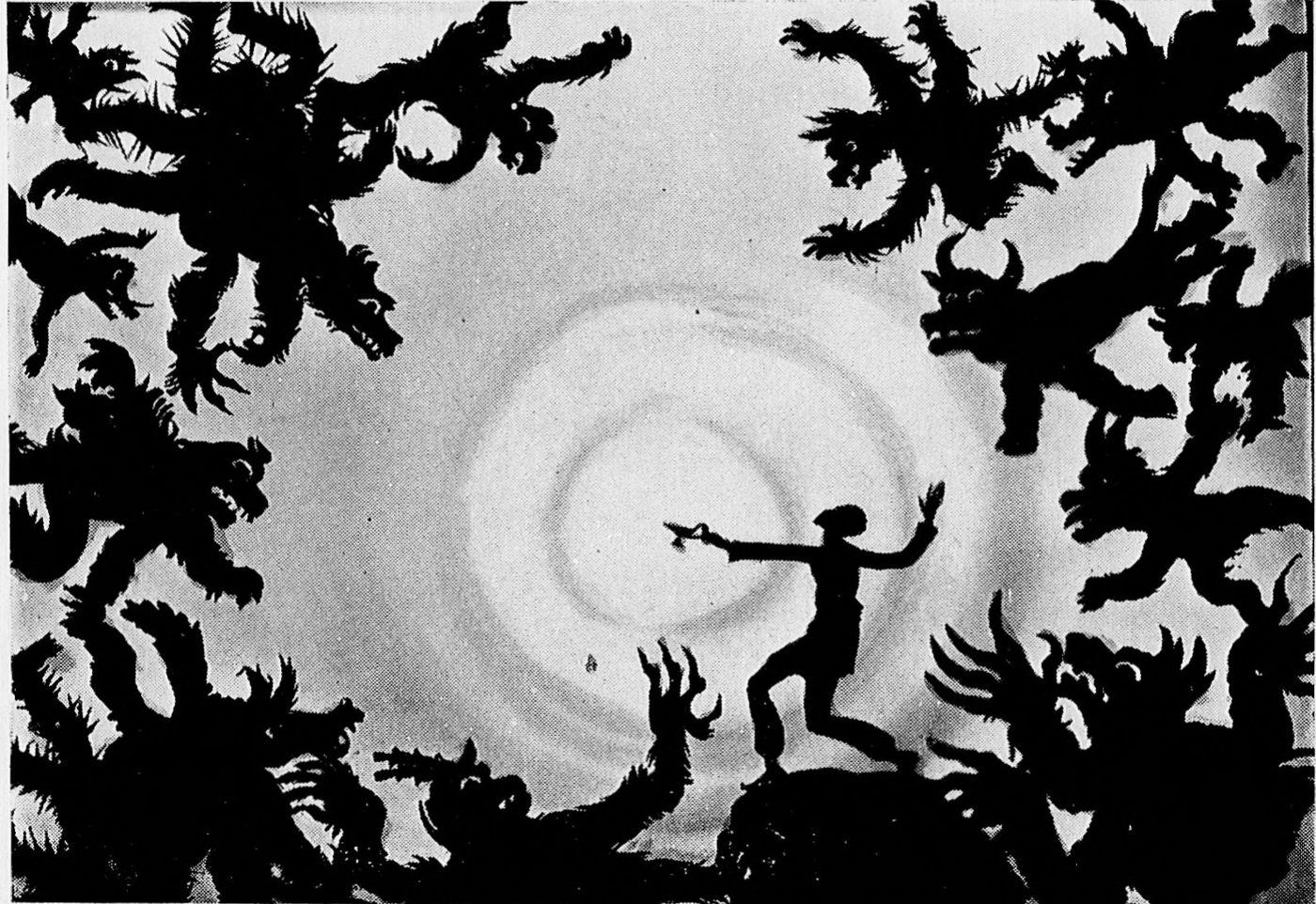
The “orphan tales” are the stories that Antoine Galland added to his French Arabian Nights from Hanna Diyab’s telling in 1709, among them “Aladdin,” “Ali Baba and the Forty Thieves” and “Prince Ahmad and the Fairy Peri-Banu.” They were called orphans because, with one exception, no Arabic manuscript source for them is known. Paulo Lemos Horta has argued since Marvellous Thieves (2017) that they are not authorless at all, and in 2021 proposed calling them “Diyab’s tales.”
“These stories, called the “orphan tales” because (with one exception) they have no known Arabic manuscript source, are seen as central to Galland’s achievement as a translator of the Arabian Nights.”
Marvellous Thieves (2017), p. 19
“Mia Gerhardt’s The Art of Storytelling: A Literary Study of the Thousand and One Arabian Nights (1963) further introduces the term “orphan tales”—stories such as Aladdin and Ali Baba that were added by Galland to his version of the Arabian Nights, which until recently had not been attributed to anyone. However, Paulo Lemos Horta’s Marvellous Thieves: Secret Authors of the Arabian Nights (2017) examines the literary context of translation by acknowledging the overlooked “storytellers, translators, and cultural insiders,” casting light on the oral story transmitter Hanna Diyab (2, 3).”
More in Horta’s words (1)
“The so-called orphan tales … can no longer be seen as authorless.”
Afterword to Diyab’s Book of Travels (2021), p. 319
More from critics and scholars (3)
“Horta, however, brings our attention to a more curious matter here: Was Galland the only translator and author of these ‘orphan stories’ of the Arabian Nights? Horta offers compelling evidence that the answer is ‘no’, going so far as to say that the most famous tales, such as ‘Ali Baba and the 40 Thieves’ and ‘Aladdin and the Wonderful Lamp’, were not in the original Arabic manuscript that Galland used.”
“Galland did not elaborate Diyab’s exact role but two of these stories, the one of Alladin and his lamp, and Ali Baba and the forty thieves were clearly ‘orphan tales’, that is, they had no clear original Arabian source texts. Evidently, as Horta pieces the strands together like a detective story, these were Diyab’s own creations, built with allusions, metaphors and symbols of all that he had seen, heard and retold.”
“European translations included more stories that were not in the original Arabic versions and may well have been the creation of translators and interpreters. For example, “Aladdin’s Lamp” and “Ali Baba and the Forty Thieves” appeared first in Antoine Galland’s French translation. Horta … focuses on “new” material added by European translators, who variously recast the original stories.”
Academic priority
- January 2017Horta, Marvellous Thieves (Harvard University Press)
- 2019Melinda Cohoon, Review of Middle East Studies 53.2
- 2021Horta, Afterword to Diyab’s Book of Travels (2021)
Global mainstream impact
- 1 February 2017Ali Houissa, Library Journal, starred review
- 18 February 2017Anu Kumar, The Wire
- 3 December 2017Aqsa Ijaz, Dawn