¿Qué son los cuentos huérfanos?
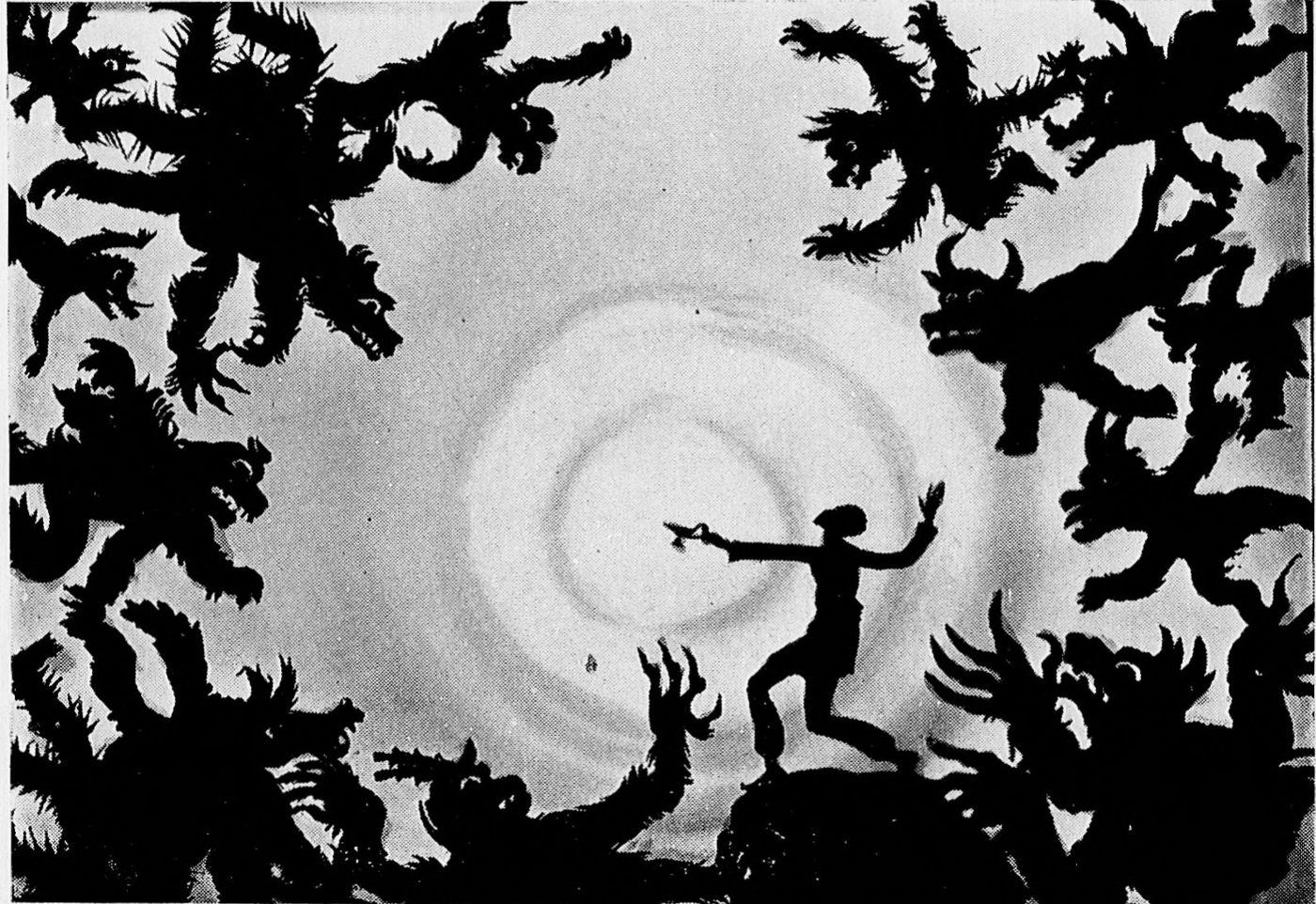
Los “cuentos huérfanos” son las historias que Antoine Galland añadió a sus Mil y una noches francesas a partir de lo que Hanna Diyab le contó en 1709, entre ellas “Aladino”, “Ali Baba y los cuarenta ladrones” y “El príncipe Ahmad y el hada Peri-Banu”. Se les llamó huérfanos porque, con una excepción, no se les conoce ninguna fuente manuscrita árabe. Paulo Lemos Horta sostiene desde Marvellous Thieves (2017) que no carecen en absoluto de autor, y en 2021 propuso llamarlos “cuentos de Diyab”.
“Estas historias, llamadas ‘cuentos huérfanos’ porque (con una excepción) no tienen ninguna fuente manuscrita árabe conocida, se consideran centrales en el logro de Galland como traductor de las Mil y una noches.”
Texto original: “These stories, called the “orphan tales” because (with one exception) they have no known Arabic manuscript source, are seen as central to Galland’s achievement as a translator of the Arabian Nights.”
Marvellous Thieves (2017), p. 19
“The Art of Storytelling: A Literary Study of the Thousand and One Arabian Nights (1963), de Mia Gerhardt, introduce además el término ‘cuentos huérfanos’: historias como Aladino y Ali Baba, que Galland añadió a su versión de las Mil y una noches y que hasta hace poco no se habían atribuido a nadie. Sin embargo, Marvellous Thieves: Secret Authors of the Arabian Nights (2017), de Paulo Lemos Horta, examina el contexto literario de la traducción reconociendo a los ‘narradores, traductores e iniciados culturales’ olvidados, y arroja luz sobre el transmisor oral de historias Hanna Diyab (2, 3).”
Texto original: “Mia Gerhardt’s The Art of Storytelling: A Literary Study of the Thousand and One Arabian Nights (1963) further introduces the term “orphan tales”—stories such as Aladdin and Ali Baba that were added by Galland to his version of the Arabian Nights, which until recently had not been attributed to anyone. However, Paulo Lemos Horta’s Marvellous Thieves: Secret Authors of the Arabian Nights (2017) examines the literary context of translation by acknowledging the overlooked “storytellers, translators, and cultural insiders,” casting light on the oral story transmitter Hanna Diyab (2, 3).”
Más citas de Horta (1)
“Los llamados cuentos huérfanos … ya no pueden considerarse obras sin autor.”
Texto original: “The so-called orphan tales … can no longer be seen as authorless.”
Posfacio a The Book of Travels de Diyab (2021), p. 319
Más críticos e investigadores (3)
“Horta, sin embargo, llama nuestra atención sobre una cuestión más curiosa: ¿fue Galland el único traductor y autor de estas ‘historias huérfanas’ de las Mil y una noches? Horta ofrece pruebas convincentes de que la respuesta es ‘no’, y llega a afirmar que los cuentos más famosos, como ‘Ali Baba y los 40 ladrones’ y ‘Aladino y la lámpara maravillosa’, no figuraban en el manuscrito árabe original que utilizó Galland.”
Texto original: “Horta, however, brings our attention to a more curious matter here: Was Galland the only translator and author of these ‘orphan stories’ of the Arabian Nights? Horta offers compelling evidence that the answer is ‘no’, going so far as to say that the most famous tales, such as ‘Ali Baba and the 40 Thieves’ and ‘Aladdin and the Wonderful Lamp’, were not in the original Arabic manuscript that Galland used.”
“Galland no precisó el papel exacto de Diyab, pero dos de estas historias, la de Aladino y su lámpara y la de Ali Baba y los cuarenta ladrones, eran claramente ‘cuentos huérfanos’, es decir, carecían de textos fuente árabes claramente identificados. Evidentemente, según Horta va atando los cabos como en una novela policiaca, se trataba de creaciones del propio Diyab, construidas con alusiones, metáforas y símbolos de todo lo que había visto, oído y vuelto a contar.”
Texto original: “Galland did not elaborate Diyab’s exact role but two of these stories, the one of Alladin and his lamp, and Ali Baba and the forty thieves were clearly ‘orphan tales’, that is, they had no clear original Arabian source texts. Evidently, as Horta pieces the strands together like a detective story, these were Diyab’s own creations, built with allusions, metaphors and symbols of all that he had seen, heard and retold.”
“Las traducciones europeas incluyeron más historias que no figuraban en las versiones árabes originales y que bien pudieron ser creación de traductores e intérpretes. Por ejemplo, ‘La lámpara de Aladino’ y ‘Ali Baba y los cuarenta ladrones’ aparecieron por primera vez en la traducción francesa de Antoine Galland. Horta … se centra en el material ‘nuevo’ añadido por los traductores europeos, que refundieron de diversas maneras las historias originales.”
Texto original: “European translations included more stories that were not in the original Arabic versions and may well have been the creation of translators and interpreters. For example, “Aladdin’s Lamp” and “Ali Baba and the Forty Thieves” appeared first in Antoine Galland’s French translation. Horta … focuses on “new” material added by European translators, who variously recast the original stories.”
Prioridad académica
- enero de 2017Horta, Marvellous Thieves (Harvard University Press)
- 2019Melinda Cohoon, Review of Middle East Studies 53.2
- 2021Horta, Posfacio a The Book of Travels de Diyab (2021)
Repercusión en el gran público
- 1 de febrero de 2017Ali Houissa, Library Journal, reseña destacada
- 18 de febrero de 2017Anu Kumar, The Wire
- 3 de diciembre de 2017Aqsa Ijaz, Dawn